
📌 TL;DR
- High interest rates reduce liquidity and increase borrowing costs
- Cash and fixed-income assets become more attractive
- Defensive sectors and value stocks tend to perform better
💡 Introduction
The best investments during high interest rates are a topic that becomes increasingly important when central banks raise rates to control inflation.
In a high interest rate environment, borrowing money becomes more expensive, consumer spending slows, and businesses may face reduced growth.
Consequently, financial markets often become more volatile, and traditional investment strategies may no longer work as effectively.
For beginners, understanding the best investments during high interest rates is essential for protecting capital and identifying stable opportunities.
Instead of focusing purely on growth, investors often shift toward income, stability, and lower-risk assets.
👉 In this guide, we’ll break down the best investment options and strategies for navigating a high interest rate environment.
📊 1. Why High Interest Rates Matter
To understand this better, read Why Do Stocks Fall When Interest Rates Rise?
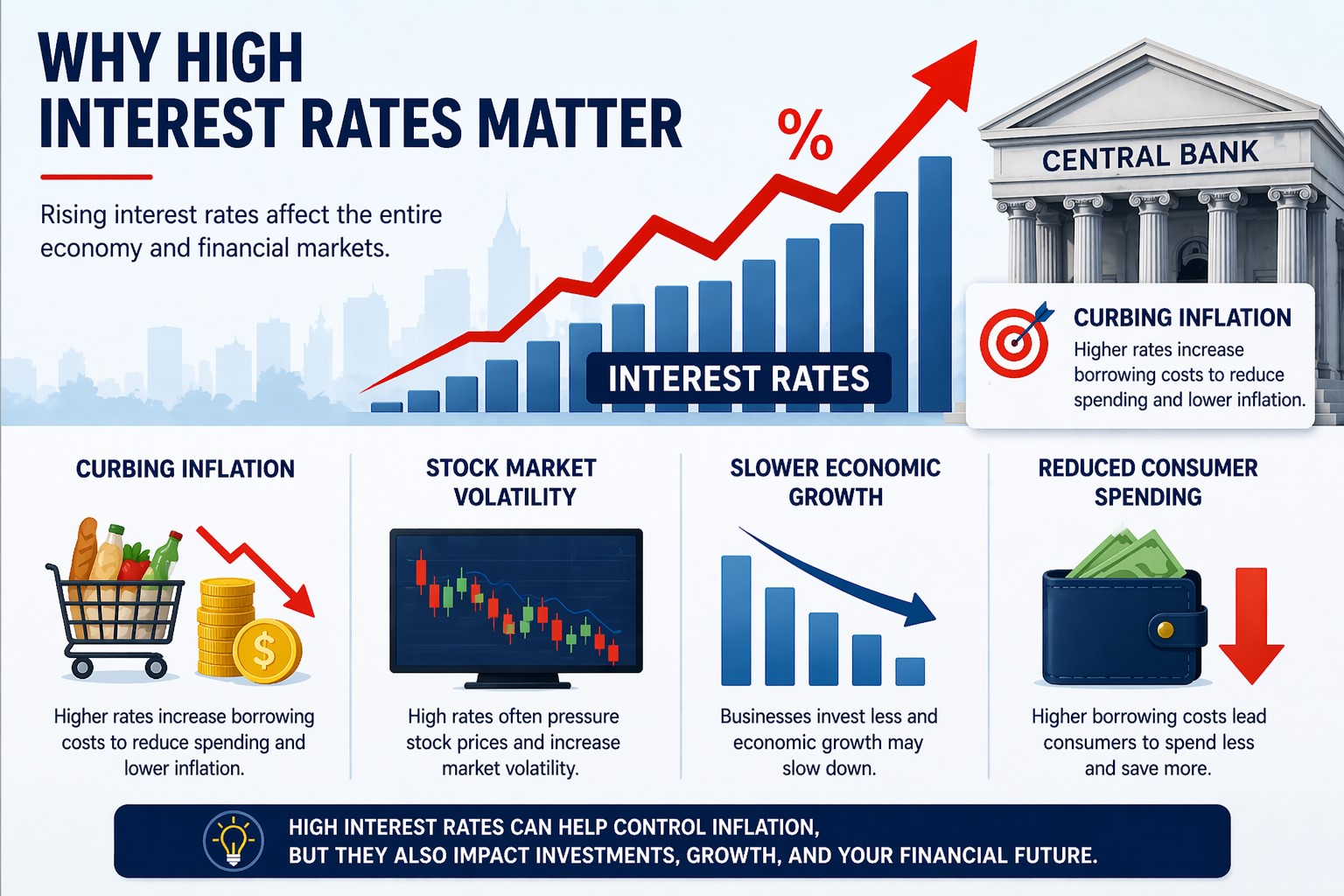
High interest rates play a crucial role in shaping the overall investment landscape.
Central banks raise interest rates to control inflation and stabilize the economy, as explained by the Federal Reserve.
To better understand inflation, see How Inflation Affects Your Investments.
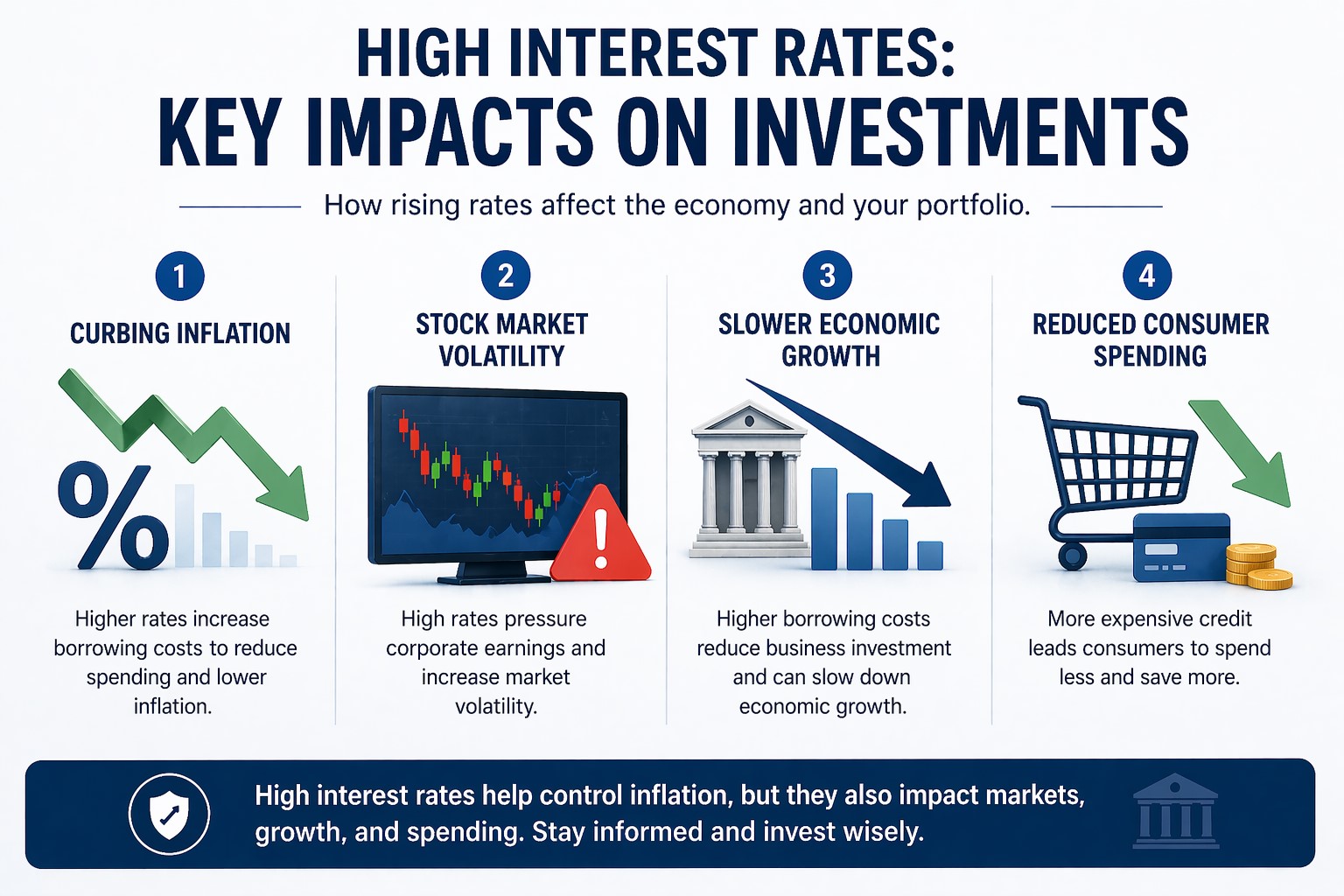
As a result, several key changes occur in the economy and financial markets:
- Borrowing costs go up
- Consumer spending slows down
- Business investment declines
- Stock market valuations may fall
Here’s a quick visual summary of how rising interest rates impact the economy:
At the same time, safer financial instruments such as savings accounts and bonds begin to offer more attractive returns.
This shift is why the best investments during high interest rates are typically more conservative and income-focused compared to low-rate environments.
💵 2. Cash and Cash Equivalents
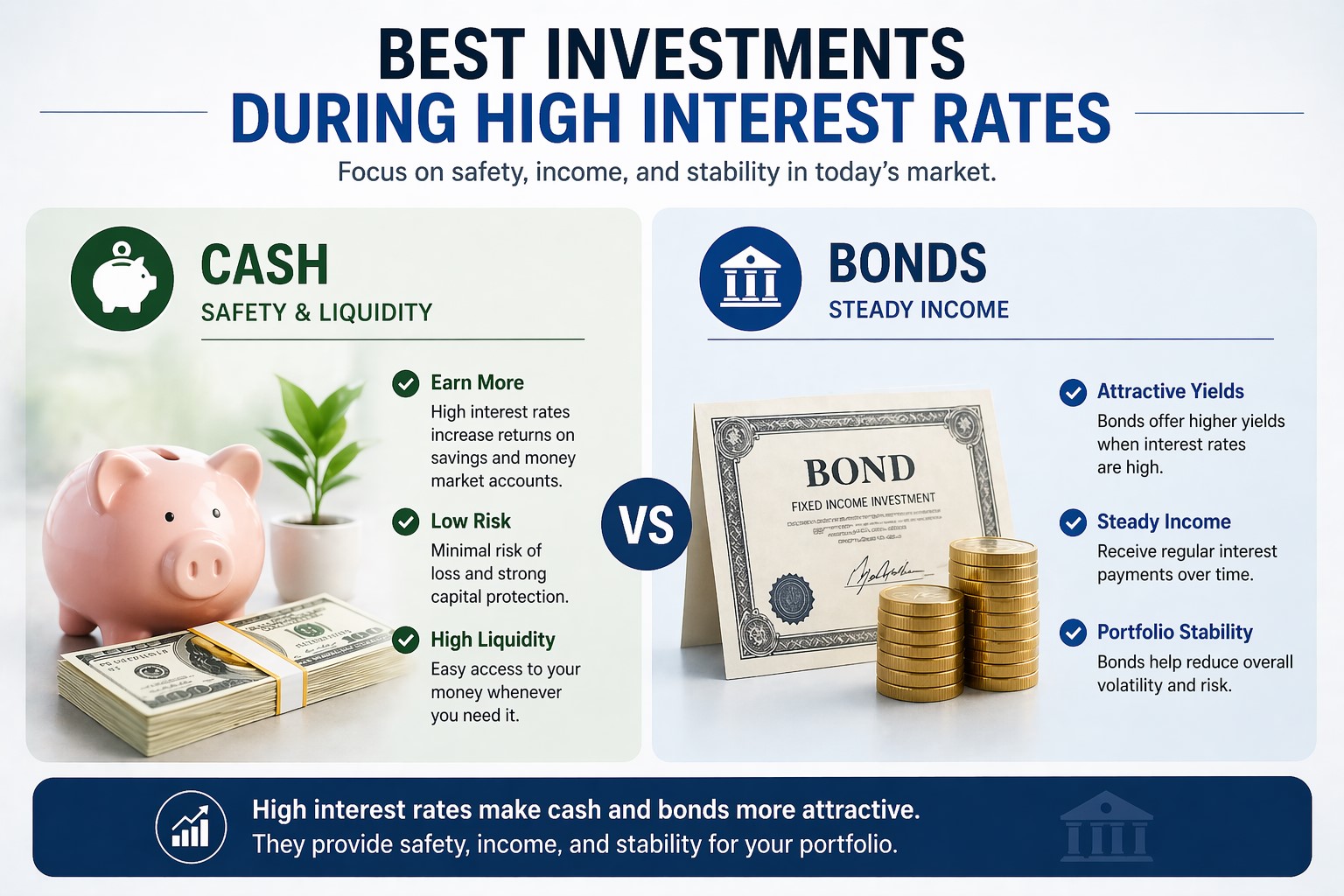
One of the simplest yet most effective strategies during high interest rate periods is holding cash or cash equivalents.
Savings accounts, money market funds, and short-term treasury instruments offer higher yields as interest rates rise.
👉 Benefits of cash investments:
- High liquidity (easy access to funds)
- Low risk compared to stocks
- Stable and predictable returns
However, inflation can still erode the purchasing power of your cash and reduce real returns, so cash should be used strategically rather than held excessively.
📈 3. Bonds and Fixed-Income Investments
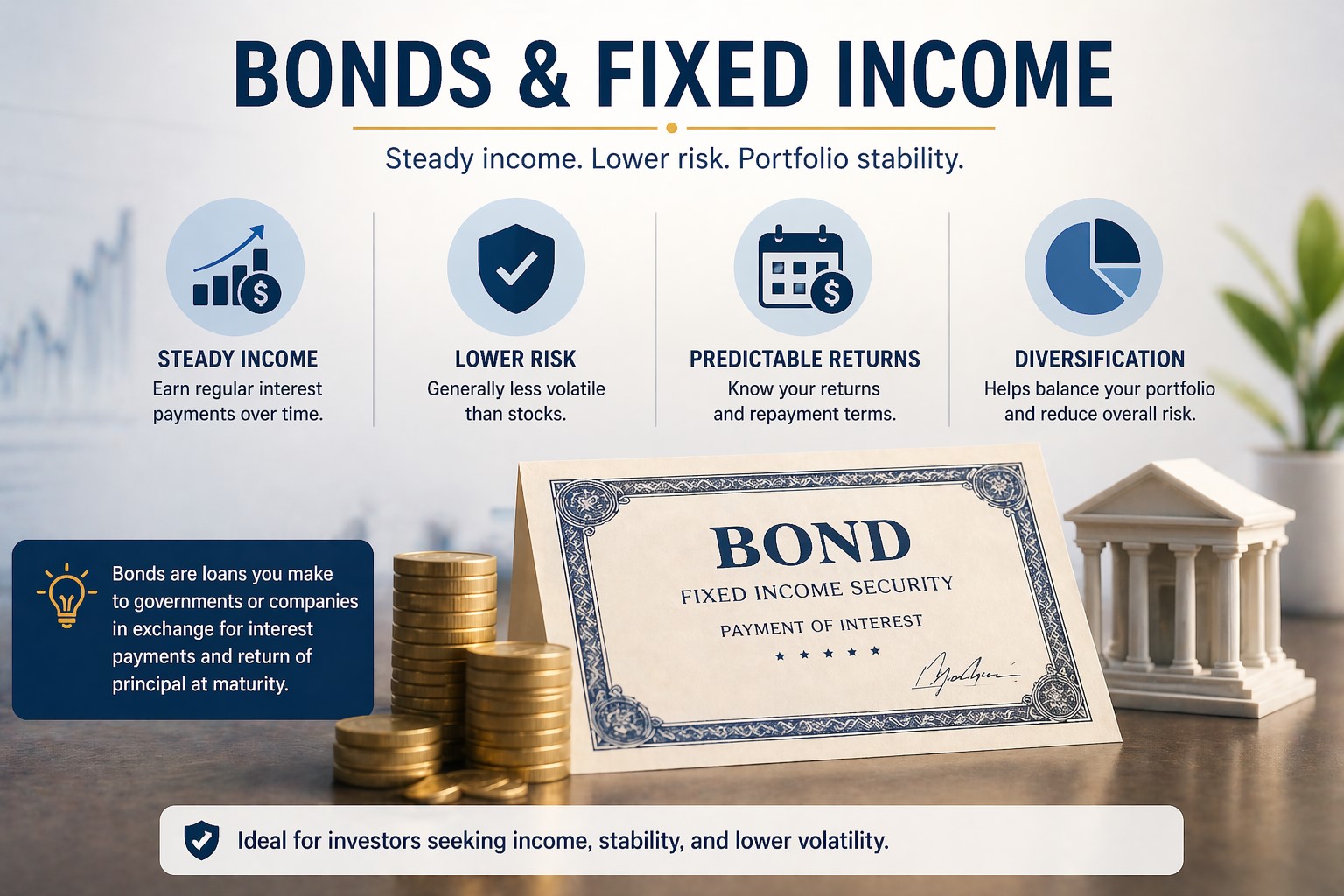
Bonds become significantly more attractive when interest rates are high.
Newly issued bonds provide higher yields, making them appealing for investors seeking steady income.
Short-term bonds are especially popular because they are less sensitive to further rate increases.
👉 Key advantages:
- Predictable income stream
- Lower volatility than stocks
- Improved yields in high-rate environments
These characteristics make bonds a reliable option for income-focused investors, as explained by Investopedia.
Government bonds are generally safer, while corporate bonds may offer higher returns but come with additional risk.
👉 Long-term bonds are more sensitive to rate changes. As rates rise, the market price of existing bonds typically falls.
🏦 4. Defensive Stocks
Defensive stocks are companies that provide essential goods and services, making them less affected by economic slowdowns.
Common defensive sectors include:
- Utilities
- Consumer staples
- Healthcare
These companies tend to maintain stable earnings even during economic downturns.
This makes them strong candidates for the best investments during high interest rates.
💰 5. Value Stocks vs. Growth Stocks
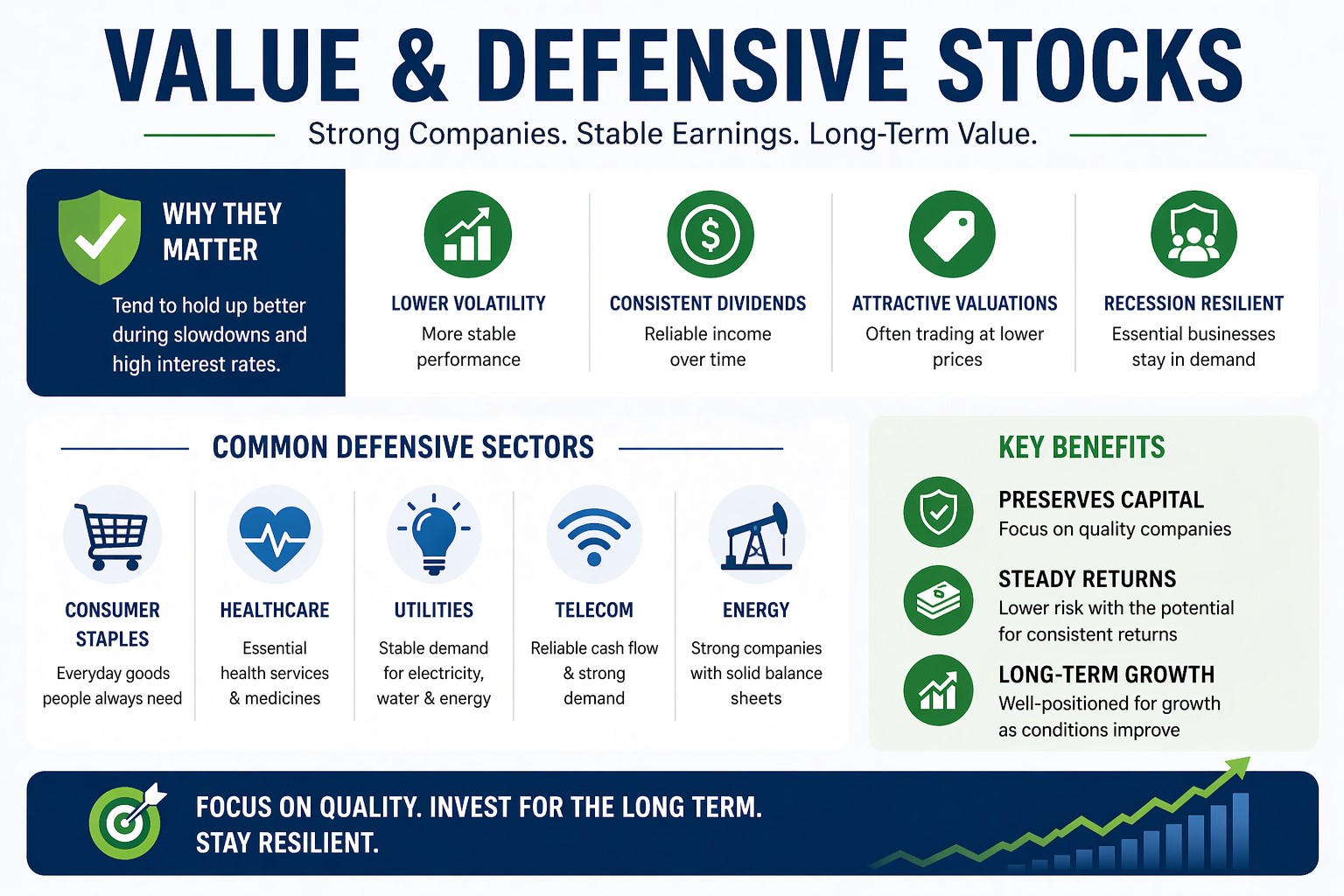
High interest rates tend to hurt growth stocks more than value stocks.
Growth companies rely heavily on future earnings, which are discounted more aggressively when rates rise.
This reduces their present value and often leads to price declines.
In contrast, value stocks—companies with strong current earnings and lower valuations—tend to perform better.
👉 Why value stocks win:
- Lower valuation risk
- Strong cash flow
- More resilience during economic slowdowns
Many of these companies also belong to defensive sectors such as utilities and consumer staples.
For beginners, shifting part of a portfolio toward value stocks can be a smart move in a high interest rate environment.
🛢️ 6. Commodities and Real Assets
Commodities such as oil, gas, and raw materials can provide diversification during high interest rate periods.
While demand may slow, some commodities—especially energy—can remain resilient due to supply constraints.
👉 Real estate is another important real asset:
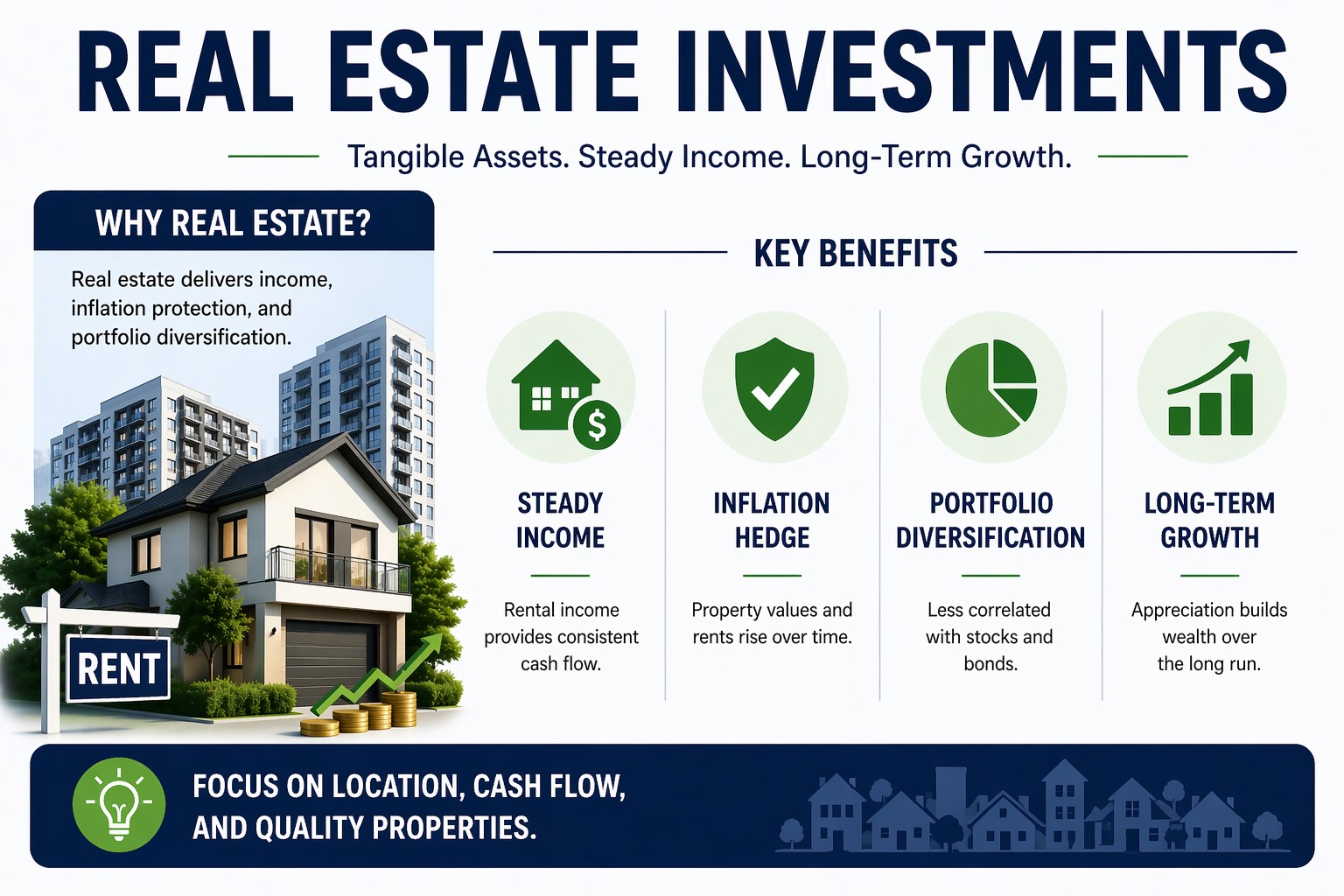
Real estate can offer steady income and long-term value, as well as potential protection against inflation.
However, it is sensitive to borrowing costs, so investors should be cautious when interest rates are rising rapidly.
⚠️ 7. What to Avoid
Not all investments perform well when interest rates are high.
Investors should be cautious with:
- High-growth technology stocks
- Highly leveraged companies
- Long-duration assets such as long-term bonds
These assets are more sensitive to rising interest rates and may experience significant volatility or price declines.
📌 Final Thoughts
So, what are the best investments during high interest rates?
👉 The answer lies in focusing on income, stability, and risk management.
In general:
- Cash and cash equivalents offer safety and liquidity
- Bonds provide steady income with improved yields
- Defensive and value stocks deliver stability and resilience
Diversification remains key.
By spreading investments across multiple asset classes, you can reduce risk and improve long-term performance.
Understanding the best investments during high interest rates allows you to adapt your strategy, protect your portfolio, and take advantage of changing market conditions.
❓ FAQ
Q1. What are the best investments during high interest rates?
The best investments during high interest rates typically include cash equivalents, short-term bonds, defensive stocks, and value stocks. These assets provide stability, income, and lower risk in a rising rate environment.
Q2. Why do high interest rates favor value stocks over growth stocks?
High interest rates reduce the present value of future earnings.
Since growth stocks rely heavily on future profits, they tend to decline more, while value stocks with strong current cash flow perform better.
Q3. Are bonds a good investment when interest rates are high?
Yes, newly issued bonds offer higher yields during high interest rate periods.
Short-term bonds are especially attractive because they are less sensitive to further rate increases.
Q4. Is holding cash a good strategy during high interest rates?
Holding cash or cash equivalents can be beneficial because they offer higher yields with low risk.
However, inflation may still reduce purchasing power over time.
Q5. Which sectors perform best during high interest rates?
Defensive sectors such as utilities, healthcare, and consumer staples tend to perform better because they provide essential goods and maintain stable earnings.
Q6. What investments should be avoided when interest rates are high?
Investors should be cautious with:
High-growth technology stocks
Highly leveraged companies
Long-term bonds
These assets are more sensitive to rising interest rates and may experience higher volatility.
🔍 Related Articles
To better understand this topic, it helps to explore related concepts such as:
📊 Market Fundamentals
📈 Trading Basics
⚠️ Disclaimer: This article is for educational purposes only and should not be considered financial advice. Please conduct your own research before making any investment decisions.